Training After an Injury in O’Fallon, MO: How to Get Strong Again Without Re-Injuring Yourself
Getting hurt changes how you think about the gym.
Maybe it was a strained back.
A tweaked shoulder.
A knee that hasn’t felt right since last season.
Now you want to train again, but there’s hesitation.
If you’ve searched for “work out after injury,” “return to gym after back pain,” or “injury recovery training near me,” you’re not looking for hype. You’re looking for a smart way back.
Here’s how to rebuild strength safely without repeating the same mistake.
Step 1: Understand the Difference Between Rehab and Training
Physical therapy focuses on restoring basic function.
Post-rehab training focuses on rebuilding strength, stability, and confidence.
Many people finish therapy and assume they’re “back to normal.” But the tissue may still be weaker, less coordinated, or compensating in subtle ways.
That’s where structured strength work matters.
Project Power Gym offers training programs designed to help members transition back into lifting gradually and intelligently. You can review training options on the Training page.
Step 2: Reduce Ego, Increase Precision
The biggest mistake after an injury is jumping back to previous weights too soon.
Instead:
- Start lighter than you think you should
- Focus on controlled tempo
- Rebuild range of motion
- Prioritize stability over load
Strength is rebuilt in layers.
Step 3: Address the Weak Links
Injuries often expose underlying weaknesses.
A lower back issue may involve:
- Weak glutes
- Poor core bracing
- Limited hip mobility
A shoulder issue may involve:
- Poor scapular control
- Limited thoracic mobility
- Imbalanced pulling strength
Smart training addresses the chain, not just the injured area.
Step 4: Modify, Don’t Avoid
Avoiding movement completely creates deconditioning.
Instead, modify.
For example:
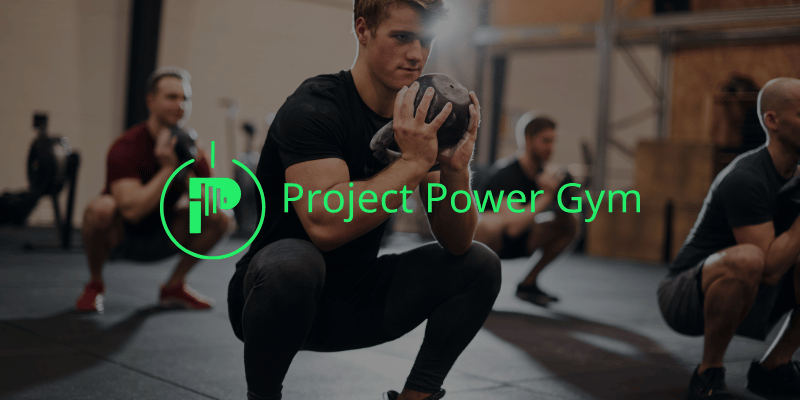
- Swap barbell back squats for goblet squats
- Replace overhead pressing with neutral-grip pressing
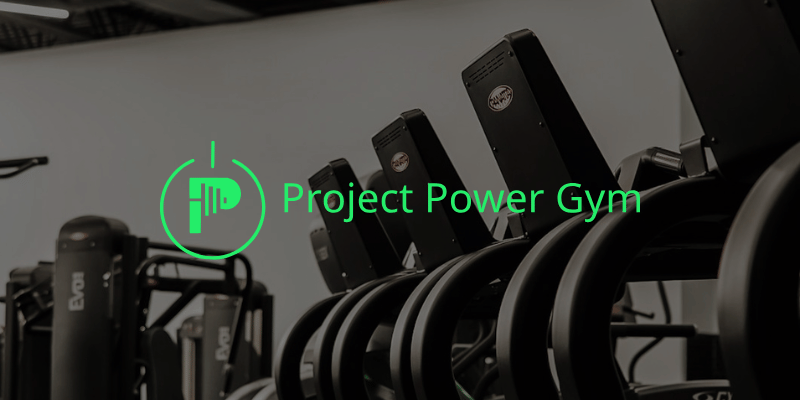
- Use machines that provide stability while rebuilding strength
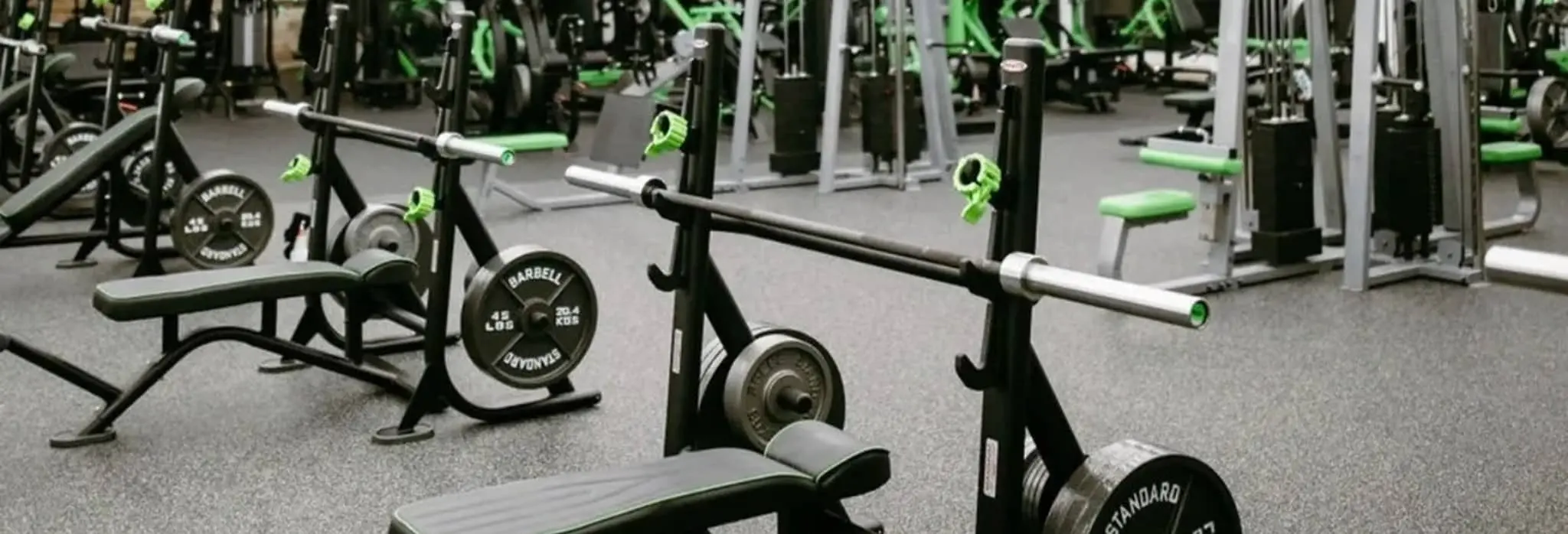
The Amenities page outlines the strength equipment available, which allows for controlled variations during recovery.
The right tools make safe progression possible.
Step 5: Rebuild Confidence Gradually
Injury recovery is as mental as it is physical.
You may feel hesitant under load. That is normal.
Gradual exposure helps:
- Start with movements that feel stable
- Increase load in small increments
- Track progress weekly
When your body responds well, confidence follows.
Step 6: Focus on Stability Before Intensity
After an injury, stability is the foundation.
That includes:
- Core control
- Single-leg strength
- Controlled tempo work
- Balanced pushing and pulling
Intensity comes later.
Skipping this phase increases reinjury risk.
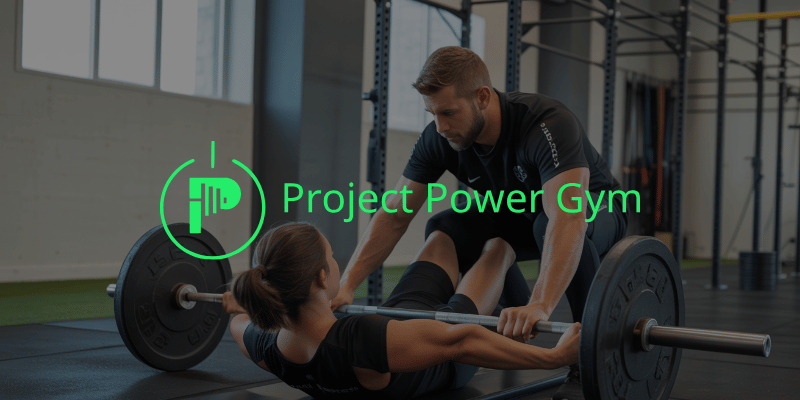
The Role of Coaching
Even experienced lifters benefit from guidance after an injury.
A coach can:
- Evaluate movement patterns
- Spot compensation
- Adjust programming weekly
- Prevent rushed progression
If you’re unsure how to structure your return, visit the Training page to explore coaching options.
Structured support reduces guesswork.
Common Post-Injury Mistakes
Avoid these:
- Testing max lifts too soon
- Ignoring minor discomfort
- Copying old programs
- Training through sharp pain
- Neglecting warm-ups
Pain is information. Listen to it.
Why Environment Matters
Returning to training in a chaotic or overcrowded space can increase anxiety.
A clean, organized facility with enough space to move comfortably helps you focus on execution.
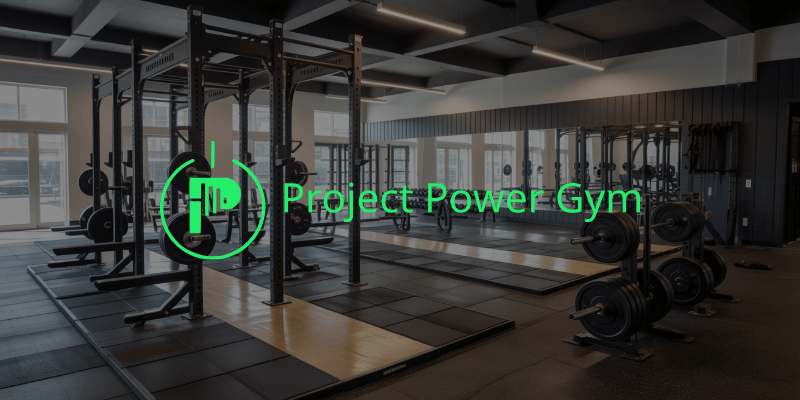
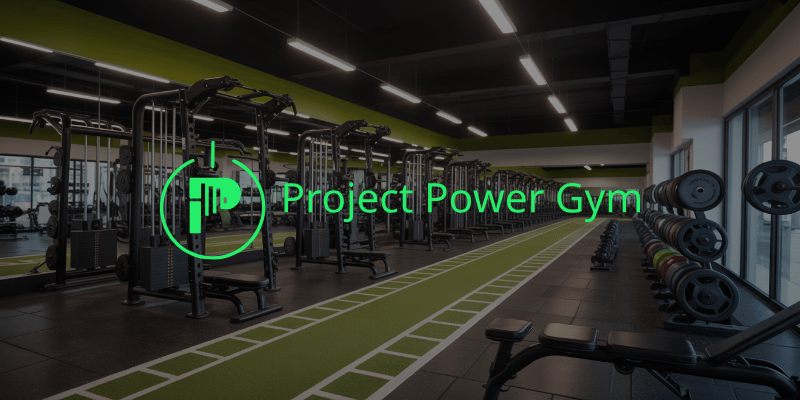
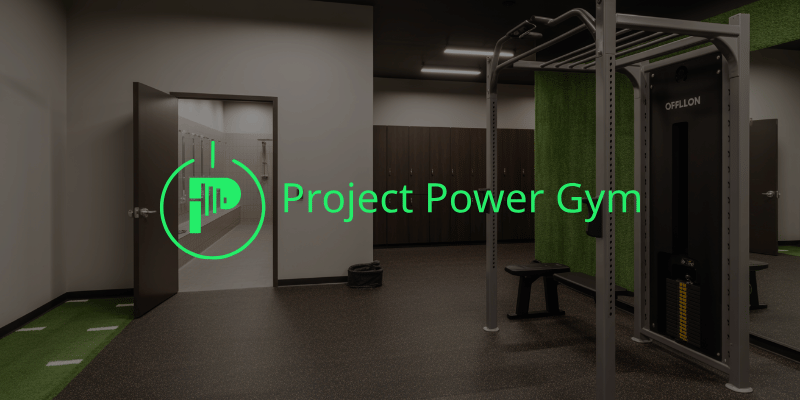
Project Power Gym in O’Fallon provides both open turf space and structured strength equipment, allowing modifications and controlled progression.
That flexibility matters during recovery.
How Long Does It Take to Feel “Normal” Again?
It depends on:
- Injury severity
- Consistency
- Programming quality
- Recovery habits
Expect gradual improvement, not instant results.
The goal is not just feeling okay. It is coming back stronger and more resilient.
Taking the Next Step
If you’re returning to training after an injury and want a structured plan that prioritizes safety and progression, the best first step is simple.
Visit the Contact page to schedule a consultation and discuss your situation.
You do not need to stay sidelined.
With the right approach, strength can be rebuilt safely and intelligently.