Functional Training on Turf: A Simple Weekly Plan You Can Actually Stick To
If you’ve walked into a gym and seen a big stretch of green turf, you’ve probably wondered what it’s actually for.
Is it just extra space?
Is it for athletes only?
Do you need to know advanced drills to use it?
Functional training gets talked about constantly, but most people are never shown how to use it in a practical way. The result? The turf sits empty while everyone crowds around machines.
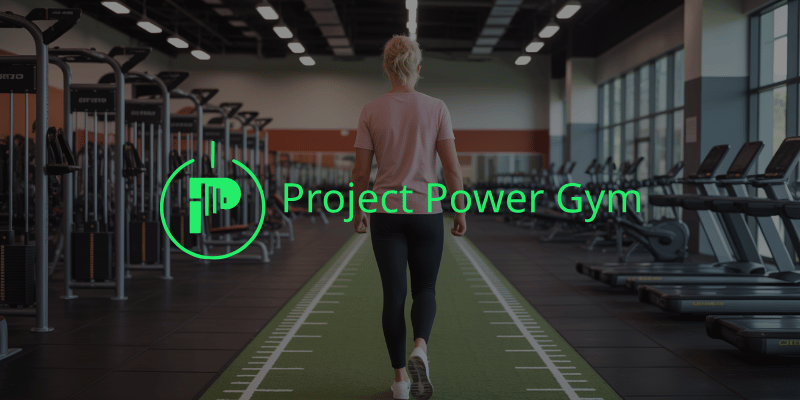
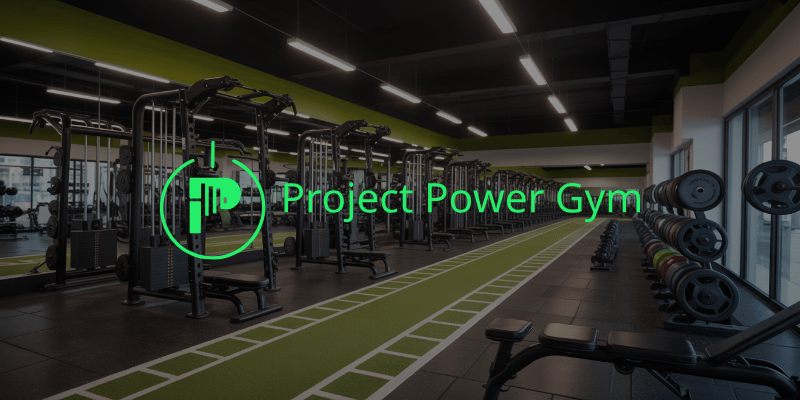
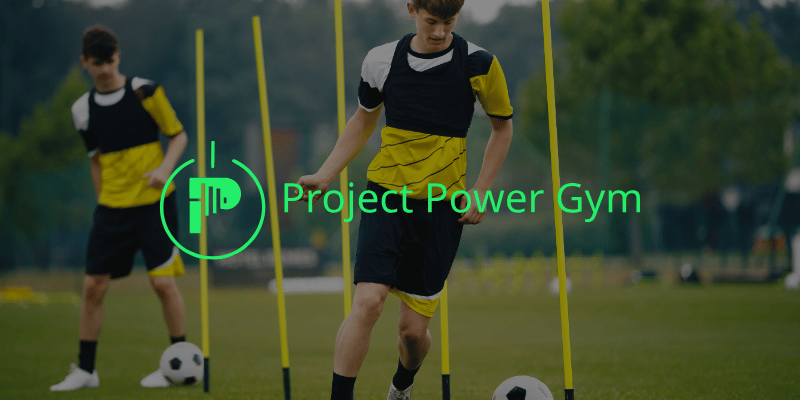
At Project Power Gym in O’Fallon, the 4,000 square-foot turf area is one of the most versatile parts of the facility. Used correctly, it can improve strength, conditioning, mobility, and overall athleticism without complicated programming.
Here’s how to think about turf training, plus a simple weekly plan you can repeat.
What Functional Training Actually Means
“Functional training” is one of those terms that gets overused.
At its core, it means training movements that transfer to real life:
- Carrying groceries
- Climbing stairs
- Lifting kids
- Moving furniture
- Sprinting, changing direction, or jumping
It focuses on:
- Core stability
- Balance
- Coordination
- Power
- Conditioning
Instead of isolating a single muscle, functional movements train your body as a system.
Why Turf Training Feels Different
There’s something different about stepping off rubber flooring and onto turf.
You’re not locked into a machine.
You’re not confined to a rack.
You can move freely.
That freedom allows for:
- Loaded carries
- Agility drills
- Bodyweight circuits
- Conditioning intervals
- Dynamic warm-ups
The open space changes how you train. It feels athletic instead of repetitive.
You can see the full turf setup listed on the Amenities page along with other facility highlights.
Who Turf Training Is For
It’s not just for athletes.
Adults Who Sit All Day
Functional movement improves posture, hip mobility, and core stability.
Parents
Carrying, bracing, lifting, and twisting are daily movements. Turf work strengthens those patterns safely.
Strength-Focused Lifters
Turf sessions can improve work capacity and reduce plateaus.
Beginners
You can start with simple bodyweight patterns and progress gradually.
A Simple Weekly Turf Plan
You don’t need to reinvent your entire program.
Add one or two turf sessions per week alongside your normal strength training.
Day 1: Strength + Carries
After your main lifts, move to the turf.
- Farmer carries: 4 sets of 30–40 yards
- Walking lunges: 3 sets down and back
- Plank variations: 3 rounds
- Moderate-paced conditioning finisher (5–8 minutes)
This builds grip, core strength, and total-body stability.
Day 2: Conditioning Focus
Warm up with:
- Light skipping or marching drills
- Dynamic hip mobility
Main circuit (repeat 3–4 rounds):
- Sled pushes or resistance pushes (if available)
- Lateral shuffles
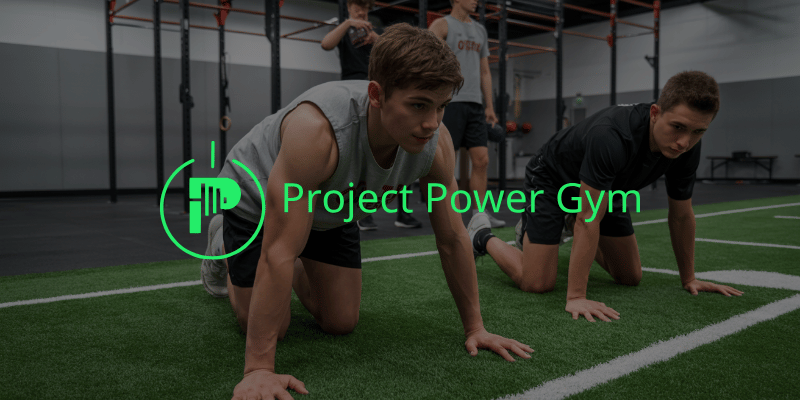
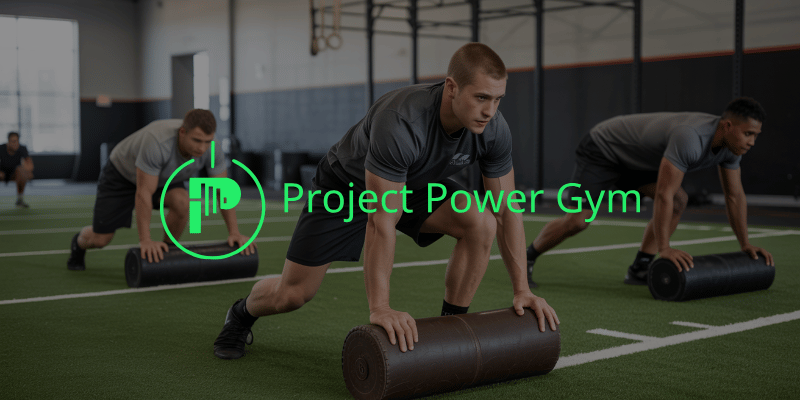
- Bear crawls
- Short sprint intervals
Keep effort controlled but challenging.
This improves cardiovascular fitness without endless treadmill sessions.
Optional Add-On: Mobility Session
Use the turf for:
- Deep squat holds
- Thoracic rotations
- Controlled crawling patterns
- Hip openers
Ten focused minutes can dramatically improve how your lifts feel.
Why Turf Work Improves Strength Gains
Even if your primary goal is muscle growth or heavy lifting, functional training helps by:
- Improving core stability
- Strengthening connective tissue
- Increasing work capacity
- Reducing injury risk
When your body moves well, your lifts improve.
If you’re unsure how to structure turf work alongside strength sessions, the Training page outlines personal training options that can integrate this into a custom plan.
Common Turf Training Mistakes
Most people either:
- Overcomplicate it
- Go too hard too fast
- Avoid it entirely
Start simple.
Focus on quality movement before intensity.
Consistency beats complexity.
Turf vs. Traditional Cardio
Many people default to:
- Treadmills
- Ellipticals
- Stationary bikes
There’s nothing wrong with those tools.
But turf sessions often feel more engaging and athletic. They challenge coordination and power, not just heart rate.
That variety keeps training interesting.
The O’Fallon Advantage
If you’re searching for a gym with turf training in O’Fallon, MO, space matters.
Crowded gyms don’t allow you to move freely.
A dedicated turf area creates room to:
- Train athletically
- Move without restrictions
- Build conditioning without fighting for equipment
Project Power Gym built its turf area as a functional training zone, not leftover square footage.
Bringing It All Together
You don’t need a complicated performance program.
You need:
- One or two intentional turf sessions per week
- Movements that feel natural
- Gradual progression
- Consistency
Turf training bridges the gap between strength and real-world movement.
If you want to see the turf area in person or ask about incorporating functional training into your routine, the best next step is to visit the Contact page and schedule a tour.
Strength matters. Conditioning matters. But how you move matters just as much.
And turf training is one of the simplest ways to improve all three.