Teen Strength Training in O’Fallon, MO: A Safe and Smart Approach for Young Athletes

Parents in O’Fallon are asking better questions than they used to.
Instead of “Is lifting safe for teens?” the question now is:
“How do we do this the right way?”
If you’ve searched for phrases like “teen strength training near me,” “youth athlete training O’Fallon,” or “sports performance gym for high school athletes,” you’re not alone. Strength training for young athletes is becoming a priority for families who want their kids to stay healthy, confident, and competitive.
Done correctly, strength training is not dangerous. It is protective. The key is structure, supervision, and progression.
Here’s what parents should know.
Is Strength Training Safe for Teens?
Yes, when it is properly supervised and age-appropriate.
Research consistently shows that structured resistance training for adolescents:
- Improves muscular strength
- Enhances coordination
- Reduces injury risk in sports
- Builds bone density
- Improves confidence
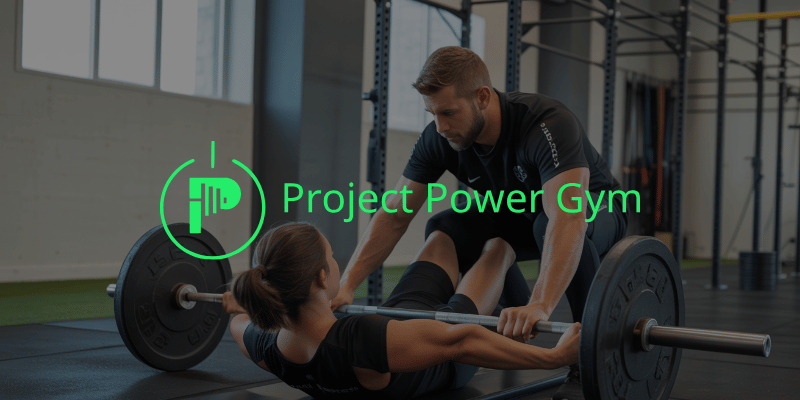
The risk comes from poor technique, unsupervised heavy lifting, or ego-driven programming. A smart program focuses on mechanics first, weight second.
Why Teen Athletes Benefit From Strength Training
Many sports in the O’Fallon area demand speed, power, and resilience. Whether your child plays football, soccer, baseball, volleyball, wrestling, or runs track, strength is a foundation.
Proper training improves:
- Sprint speed
- Jump height
- Change of direction
- Core stability
- Collision resilience
It also builds durability. Stronger athletes are less likely to suffer common overuse injuries.
The Biggest Mistake Parents Make
The most common issue is assuming sport alone is enough.
Practices build skill. Games build experience. But neither systematically builds strength.
Another mistake is copying adult programs from social media. Teen athletes are not miniature adults. They need:
- Technique instruction
- Gradual progression
- Movement education
- Balanced programming
That is where structured youth programs make the difference.
You can review available training options on the Training page, including youth-focused programs.
(Internal link: Training page)
What a Smart Teen Strength Program Looks Like
A well-designed youth program includes:
Movement Education First
Before loading a barbell, athletes should learn:
- Squatting mechanics
- Hip hinging
- Bracing the core
- Proper pushing and pulling patterns
Mastery of these movements reduces injury risk and builds confidence.
Controlled Progression
Weights increase gradually based on:
- Technical consistency
- Strength benchmarks
- Maturity level
Progression is earned, not rushed.
Balanced Programming
A good program trains:
- Lower body strength
- Upper body strength
- Core stability
- Agility and coordination
- Mobility
Neglecting any one of these increases imbalance.
Why Environment Matters for Teens
The training environment affects young athletes more than adults.
A supportive, structured gym environment:
- Builds confidence
- Reinforces discipline
- Encourages accountability
- Reduces distraction
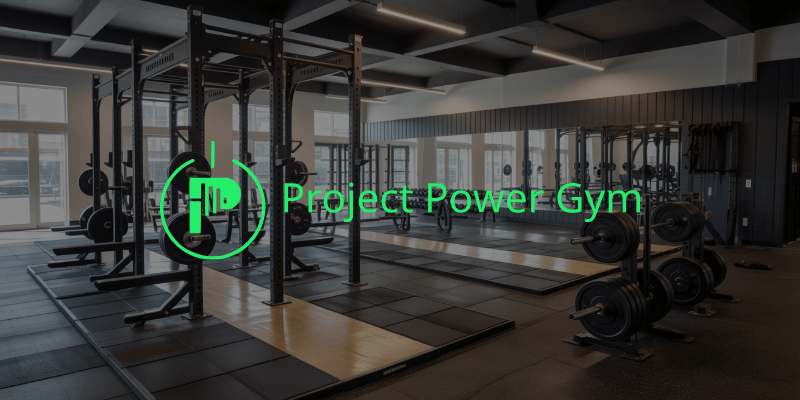
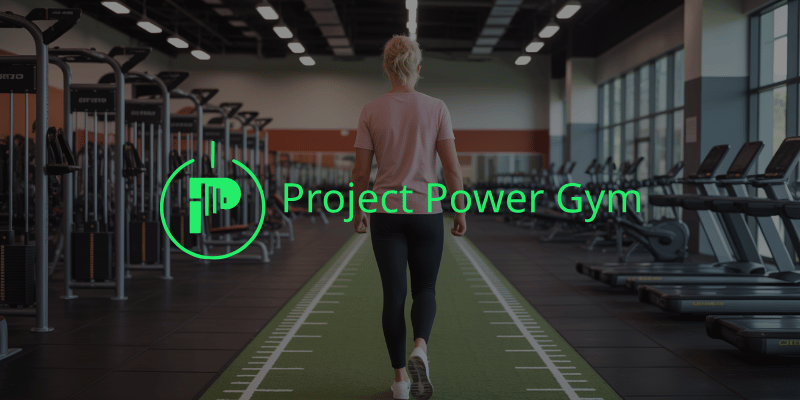
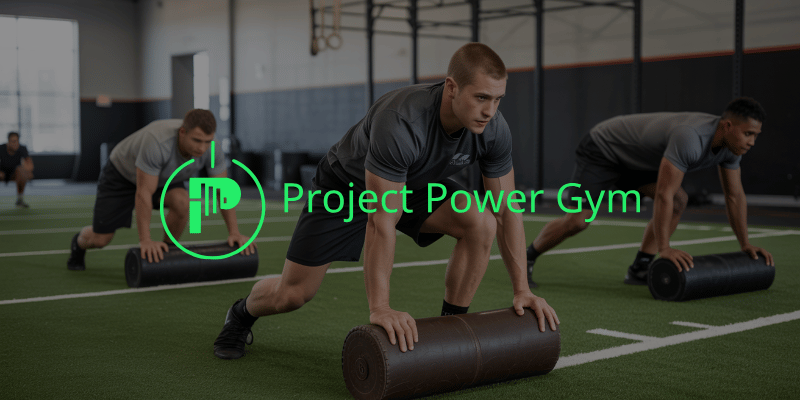
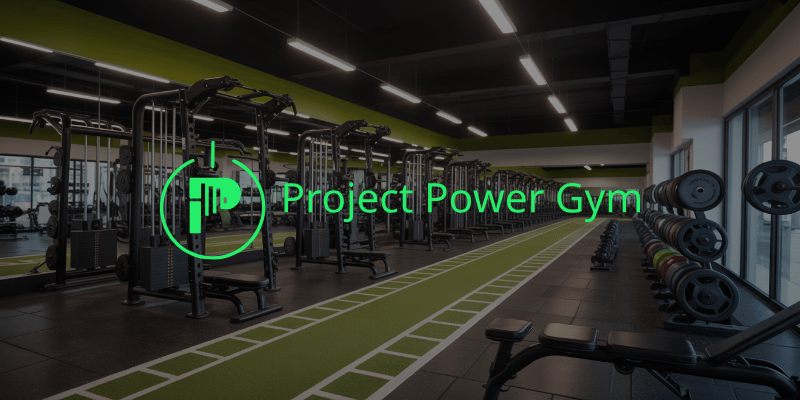
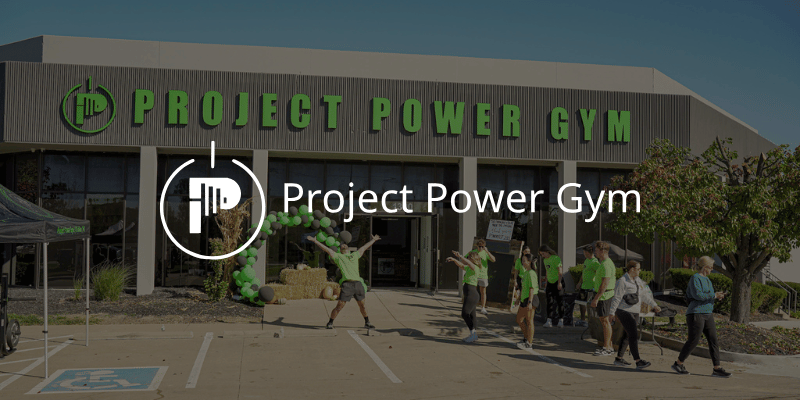
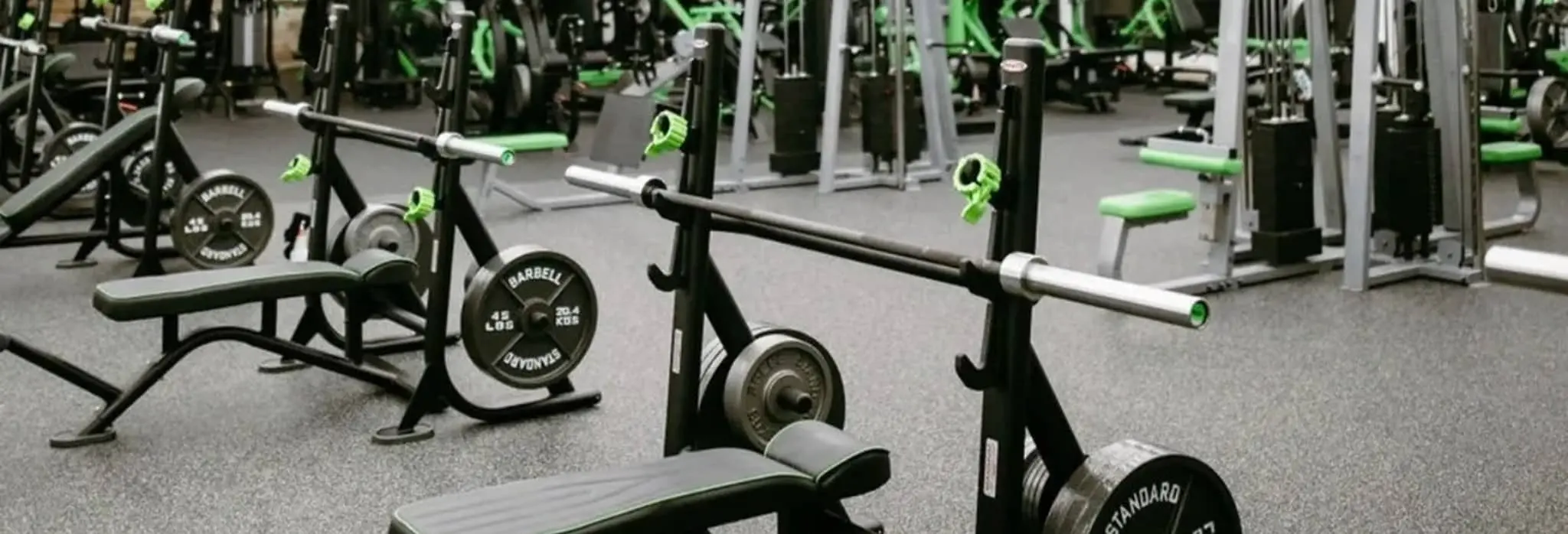
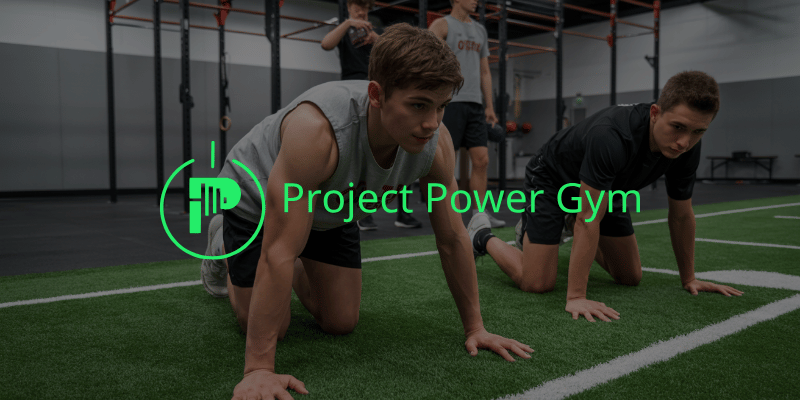
Project Power Gym in O’Fallon includes a large turf area and strength-focused equipment that allows athletes to move freely and train safely.
You can explore facility details on the Amenities page.
(Internal link: Amenities page)
The space itself allows for agility drills, sprint work, and supervised strength movements without overcrowding.
When Should Teens Start Strength Training?
Most athletes can begin structured resistance training in early adolescence, provided:
- They understand instruction
- They can follow coaching cues
- The program is supervised
There is no requirement to lift maximal weight. The goal is skill development and strength foundation.
Strength Training and Sports Performance
Parents often ask whether lifting will “slow down” their athlete.
In reality, properly programmed strength training improves:
- Explosive power
- First-step quickness
- Deceleration ability
- Injury resilience
Strength is not separate from sport. It supports it.
Injury Prevention Is the Hidden Benefit
One of the most overlooked advantages of teen strength training is injury prevention.
Stronger muscles support:
- Knees
- Shoulders
- Ankles
- Lower back
Many non-contact injuries occur because athletes lack structural strength, not because they train too much.
A structured program reduces that risk.
Building Confidence Beyond the Field
There is also a psychological component.
Teen athletes who train consistently:
- Develop discipline
- Improve self-image
- Learn goal setting
- Gain mental resilience
The gym becomes a controlled environment where progress is measurable.
That confidence carries into school and sports.
What Parents in O’Fallon Should Look For
If you are searching for youth athlete training in O’Fallon, consider:
- Coach supervision
- Clear progression structure
- Age-appropriate programming
- Clean and organized facility
- Adequate space for movement
Do not be afraid to ask questions.
A good program welcomes them.
Taking the First Step
If your teen is ready to build strength safely and intelligently, the next step is simple.
Visit the Contact page to ask about youth training programs or schedule a consultation to discuss goals.
(Internal link: Contact page)
Strength training for teens is not about chasing heavy numbers.
It is about building a foundation that supports sport, health, and long-term confidence.