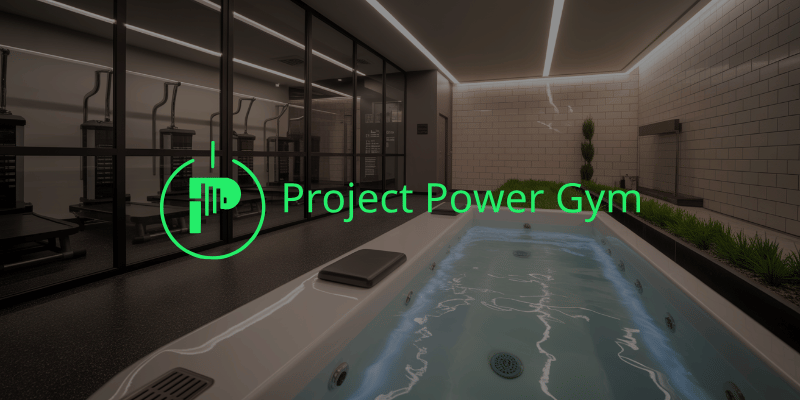
Cold Plunge in O’Fallon, MO: How Long, How Cold, and When to Use It

Cold plunges are everywhere right now.
You’ve probably seen athletes sitting in tubs of ice water. You’ve heard claims about recovery, inflammation, mental toughness, and metabolism. And if you’ve searched “cold plunge benefits,” “how long should you cold plunge,” or “cold plunge near me in O’Fallon,” you’re trying to separate hype from reality.
Cold exposure can be powerful. But only when it’s used correctly.
Here’s how to think about cold plunging, how long to stay in, how cold it should be, and when it actually makes sense after training.
What a Cold Plunge Actually Does
Cold water immersion creates a stress response.
When you enter cold water:
- Blood vessels constrict
- Heart rate increases
- Breathing changes
- Inflammation signaling shifts
After you exit:
- Circulation increases
- Blood flow returns to tissues
- The nervous system gradually settles
That contrast is where many recovery benefits come from.
But more is not better.
How Cold Should It Be?
Most effective cold plunges are between:
- 50–59°F for beginners
- 45–50°F for experienced users
Colder is not automatically superior. If the water is so cold that you panic or cannot control your breathing, you lose the recovery benefit and increase unnecessary stress.
The goal is controlled exposure, not shock.
How Long Should You Stay In?
For most people:
- 2–3 minutes is plenty for beginners
- 3–5 minutes is sufficient for experienced users
Anything longer does not dramatically increase recovery benefits and may increase fatigue.
Consistency matters more than duration.
When to Use Cold Plunge After Training
Timing depends on your goal.
If Your Goal Is Recovery
Cold plunging after intense conditioning sessions or heavy lower body days can help reduce soreness and improve next-day readiness.
If Your Goal Is Maximum Muscle Growth
Some research suggests that frequent cold exposure immediately after hypertrophy-focused training may slightly blunt muscle-building signals.
That does not mean you should avoid it. It simply means you may want to separate cold plunging from every single lifting session if size is your top priority.
If Your Goal Is Mental Resilience
Cold exposure trains breath control and stress tolerance. Many members use it for mental clarity as much as physical recovery.
How to Structure a Cold Plunge Session
A simple approach:
- Finish your workout.
- Allow your heart rate to settle slightly.
- Enter the cold plunge slowly.
- Focus on slow nasal breathing.
- Stay 2–4 minutes.
- Exit and warm naturally.
Do not rush to a hot shower immediately. Allow your body to reheat gradually.
Combining Cold Plunge and Sauna
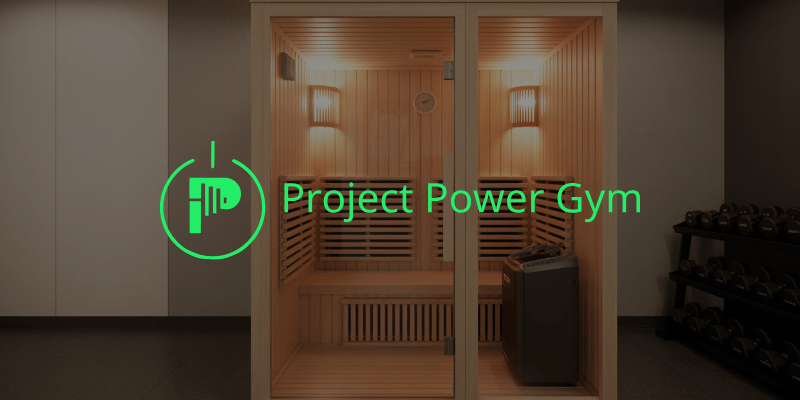
Some members pair cold plunge with infrared sauna sessions.
Alternating heat and cold can:
- Stimulate circulation
- Enhance relaxation
- Improve recovery perception
You can review available recovery amenities, including cold plunge and infrared sauna access, on the Amenities page.
(Internal link: Amenities page)
Used responsibly, contrast therapy can become part of a sustainable recovery routine.
Who Should Be Cautious
Cold exposure is not ideal for everyone.
Use caution if you have:
- Cardiovascular conditions
- Uncontrolled high blood pressure
- Circulation disorders
When in doubt, consult a healthcare professional before beginning regular cold exposure.
Why Environment Matters
A controlled, clean, and properly maintained cold plunge environment matters.
Water temperature consistency, sanitation, and accessibility all influence your experience.
Project Power Gym in O’Fallon integrates cold plunge access into the facility so recovery fits naturally into your training session rather than feeling like a separate appointment.
That convenience increases consistency.
Common Cold Plunge Mistakes
Avoid:
- Staying in too long
- Hyperventilating
- Treating it as punishment
- Using it every single day without purpose
Cold plunge is a tool. It is not magic.
Is Cold Plunge Worth It?
If used intentionally, yes.
It can:
- Improve perceived recovery
- Support circulation
- Build mental resilience
- Enhance post-workout routine
But it should support your training, not replace it.
Strength, conditioning, and consistent programming remain the foundation.
If you want to see how cold plunge fits into the full recovery setup in O’Fallon, visit the Contact page to schedule a tour or ask about membership options.
(Internal link: Contact page)
Recovery should feel structured, not extreme.
Cold plunge is most effective when it is controlled, intentional, and part of a larger training plan.